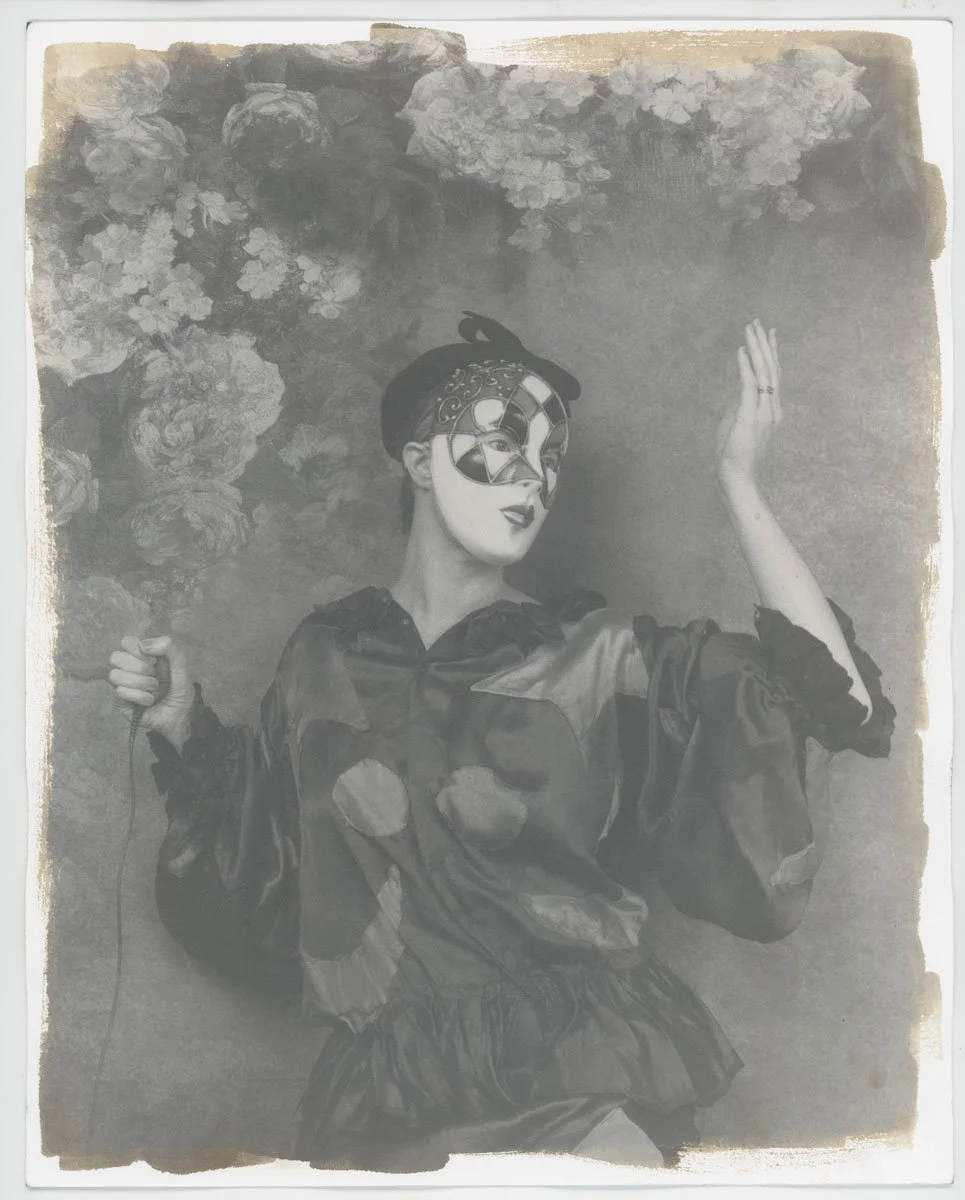
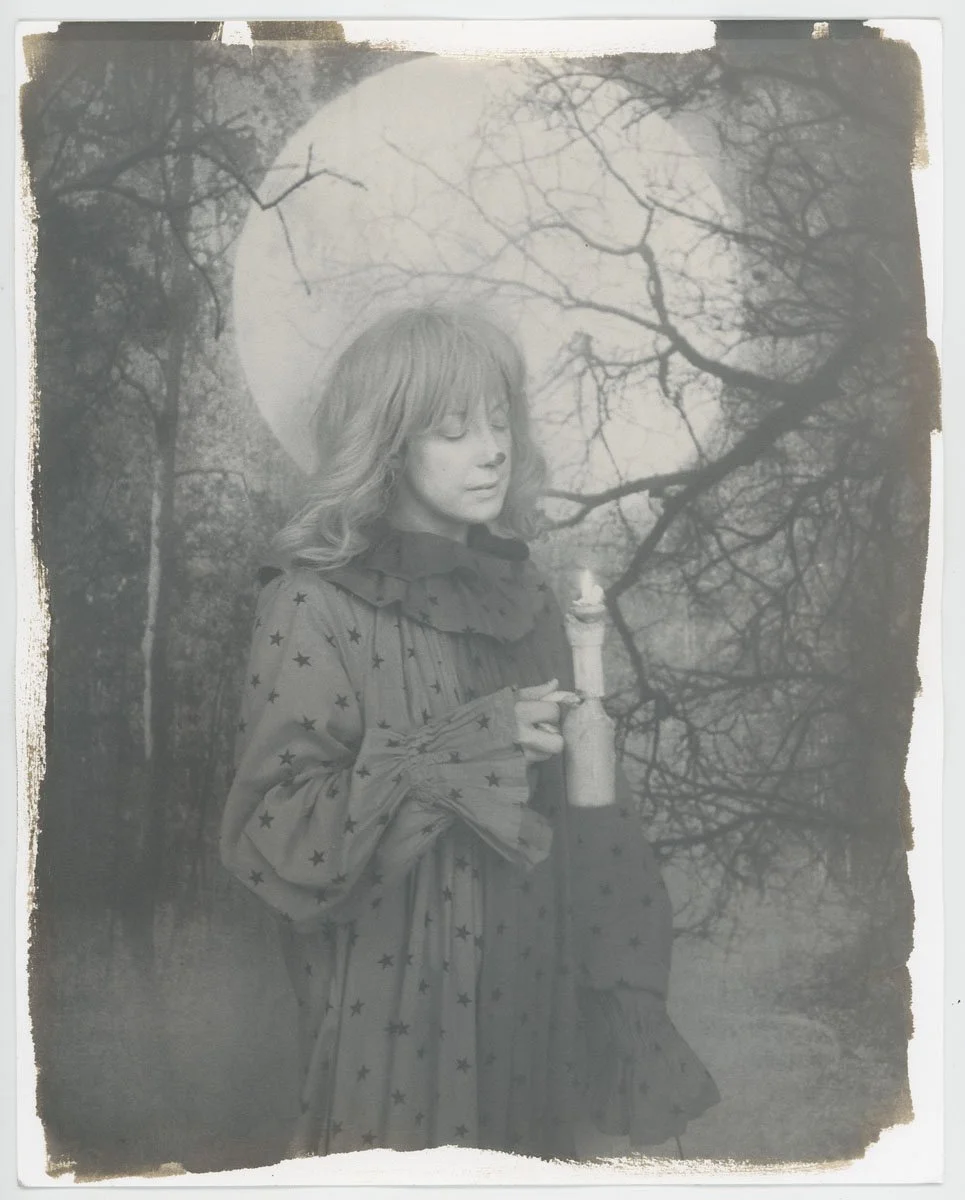
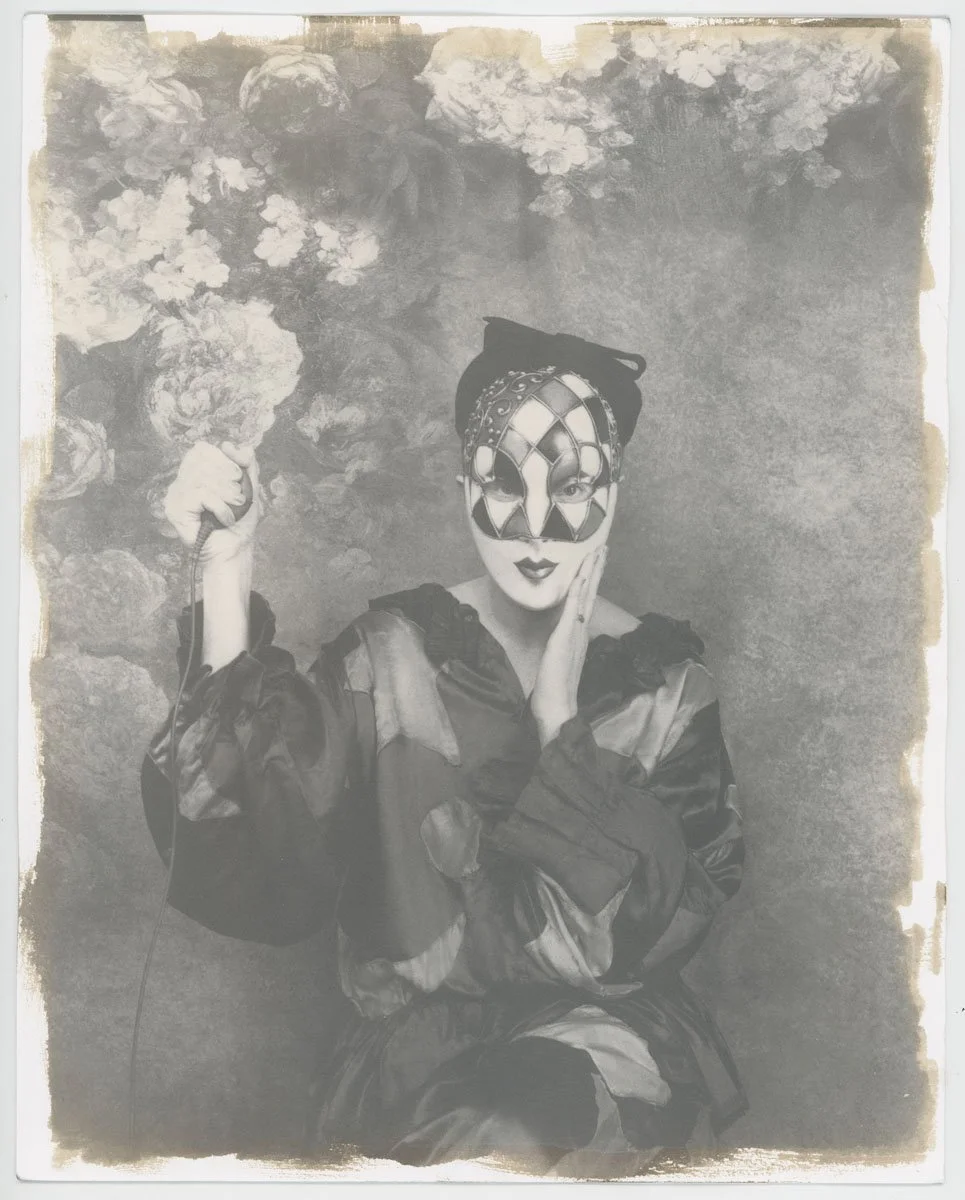
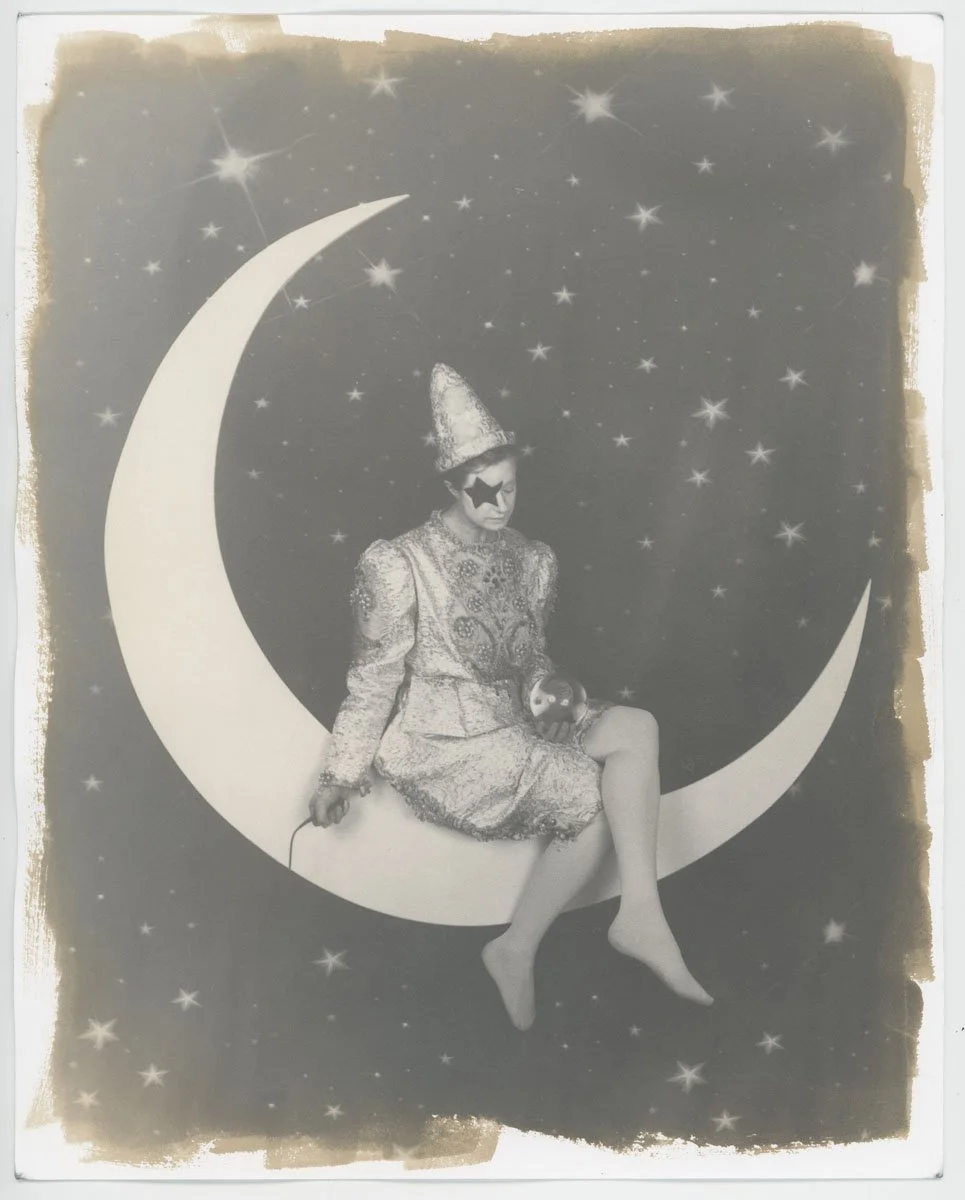
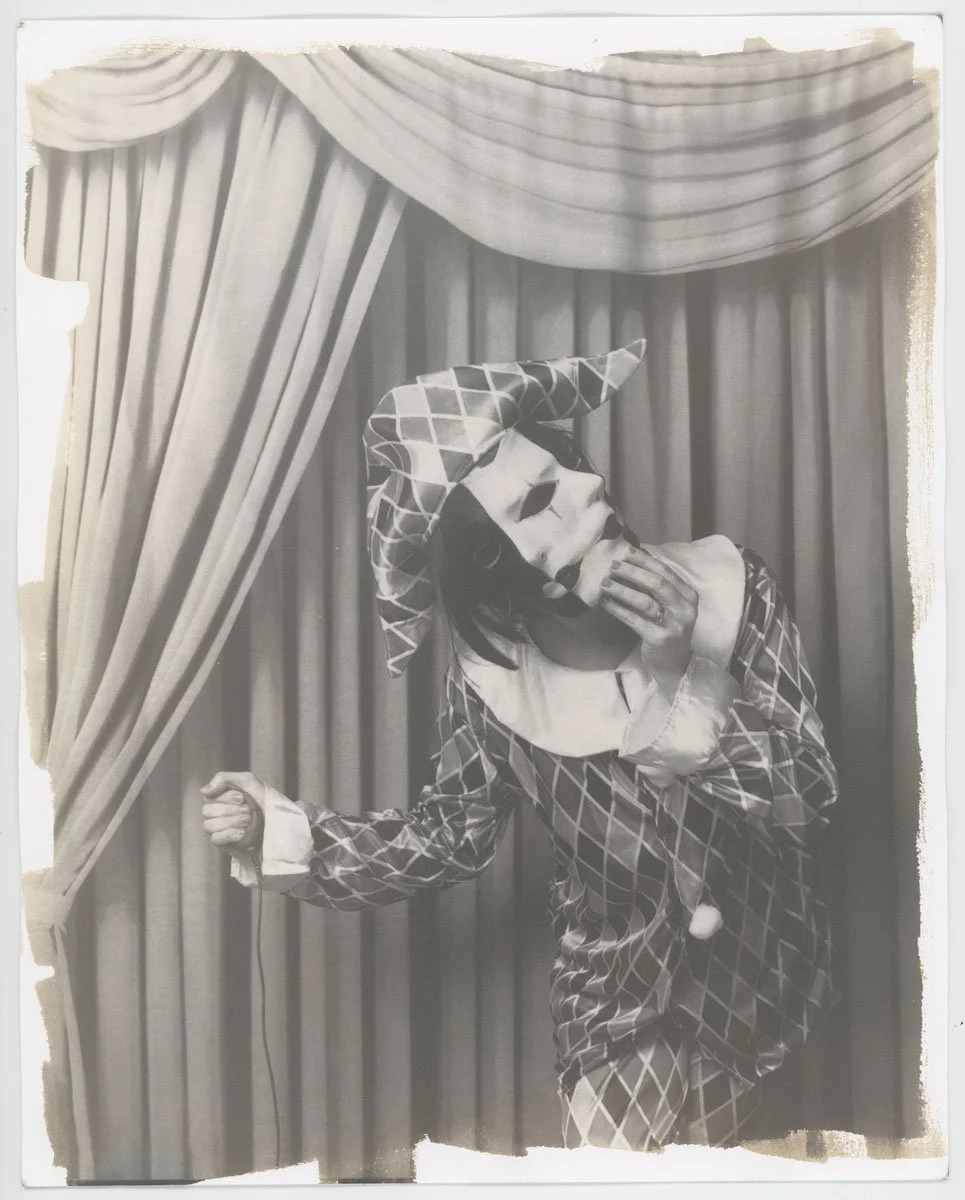
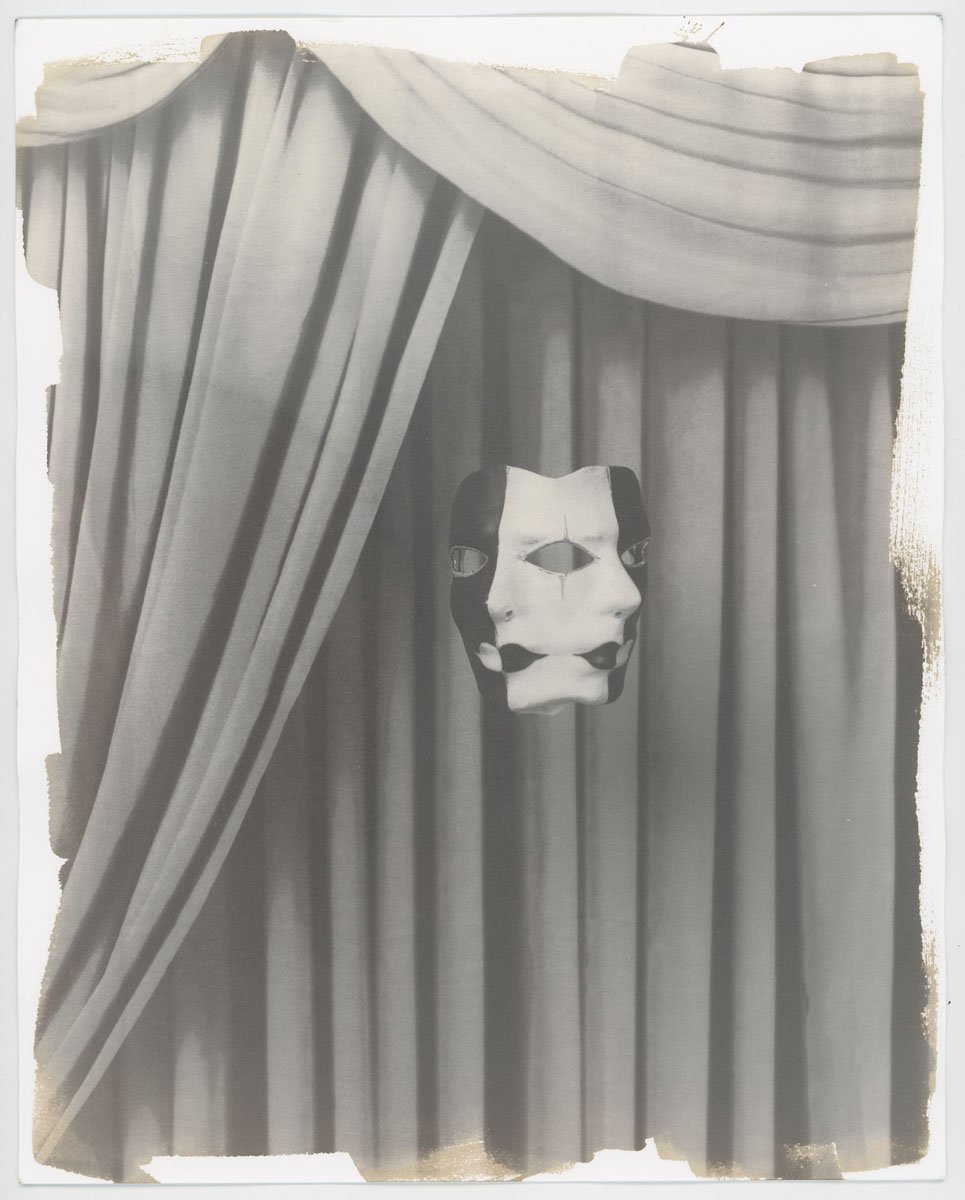
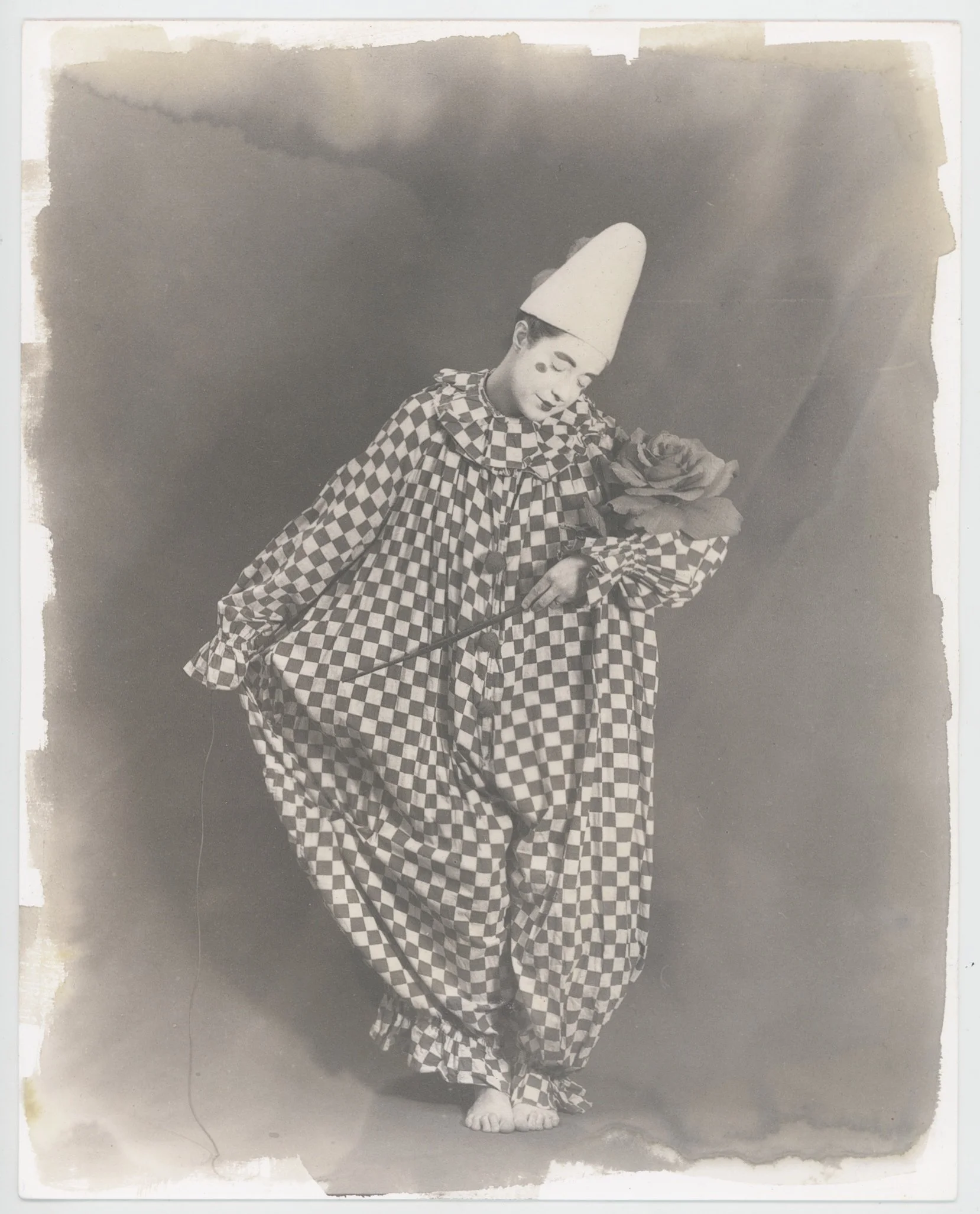
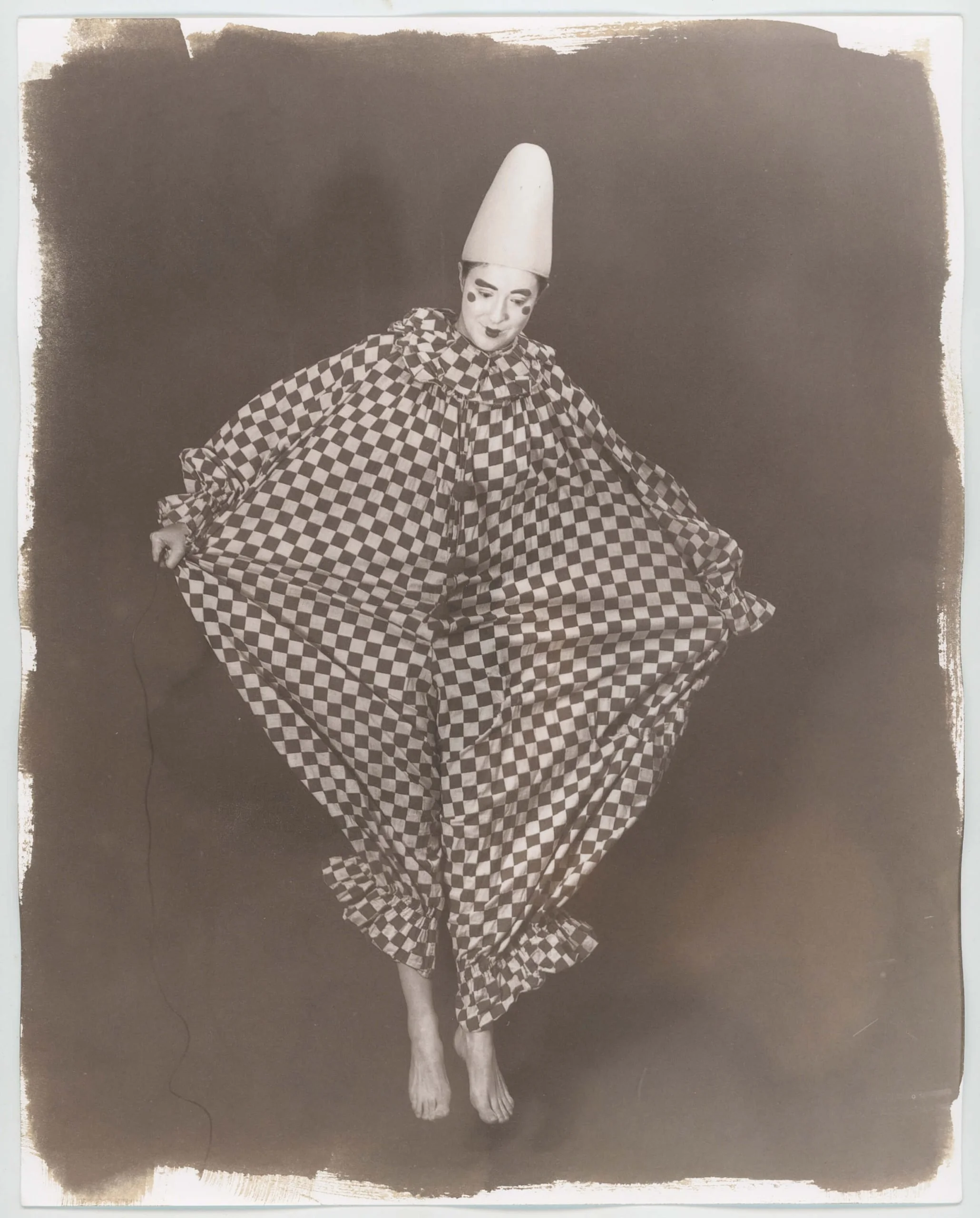
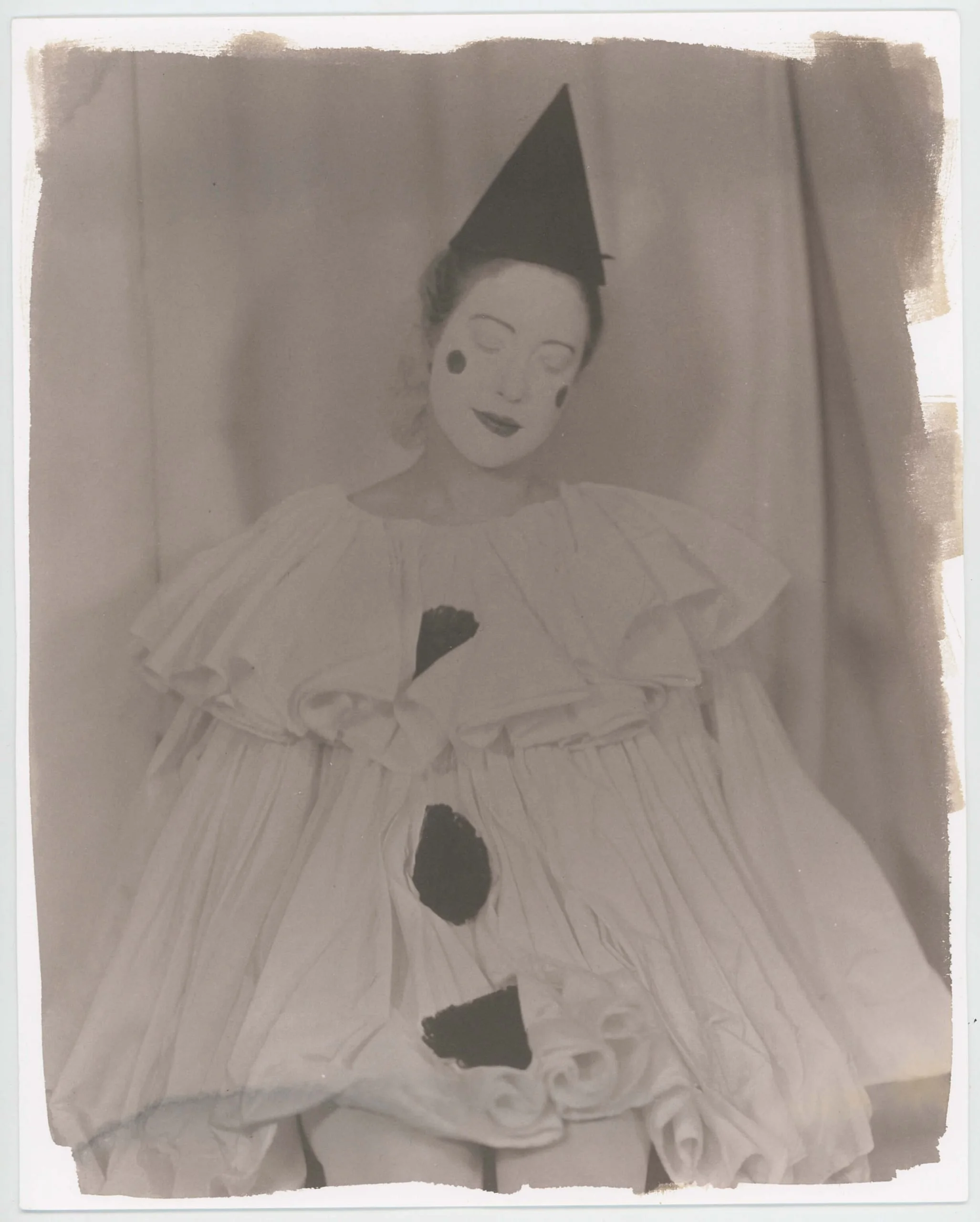
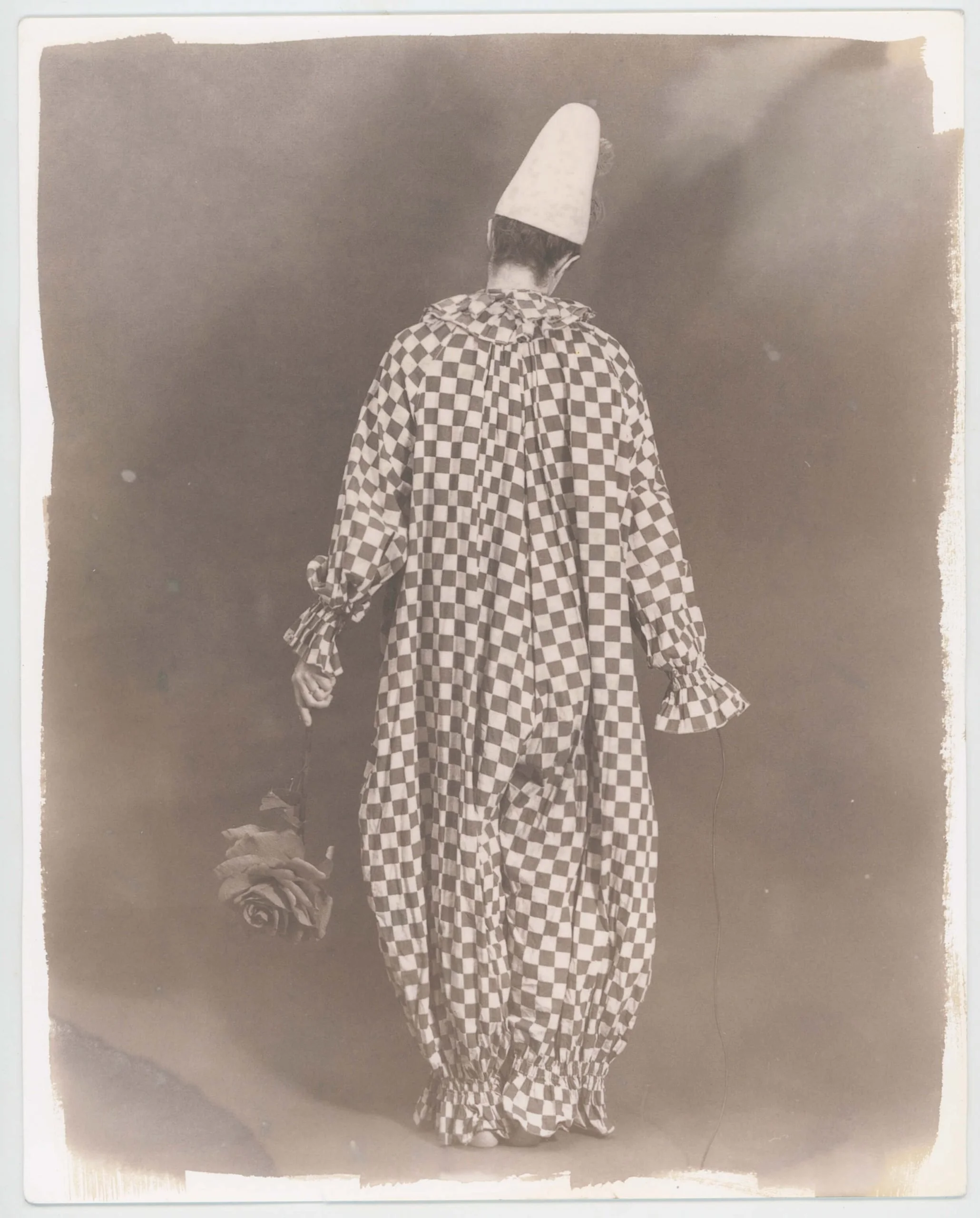
Salty Clowns. 2021-2022
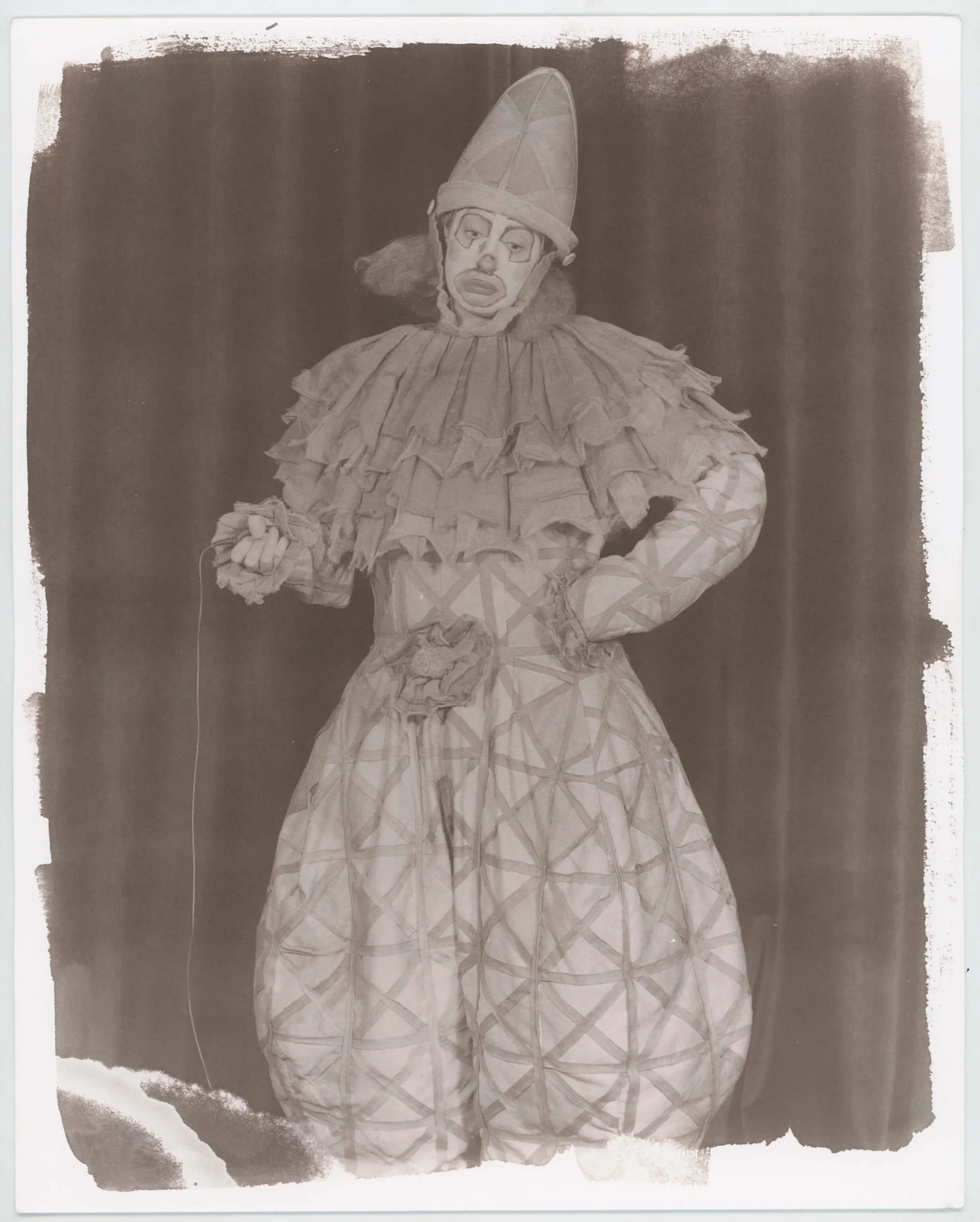
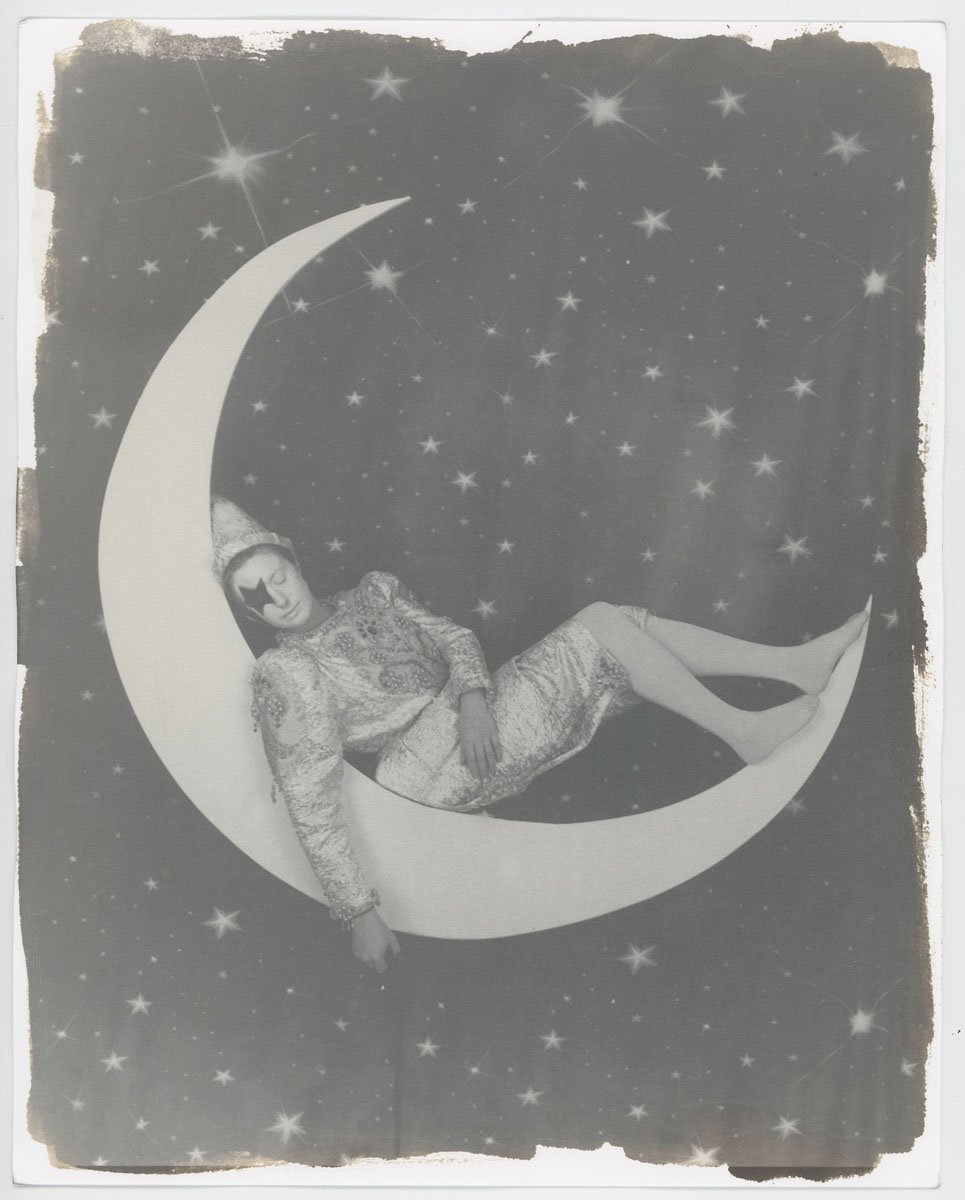
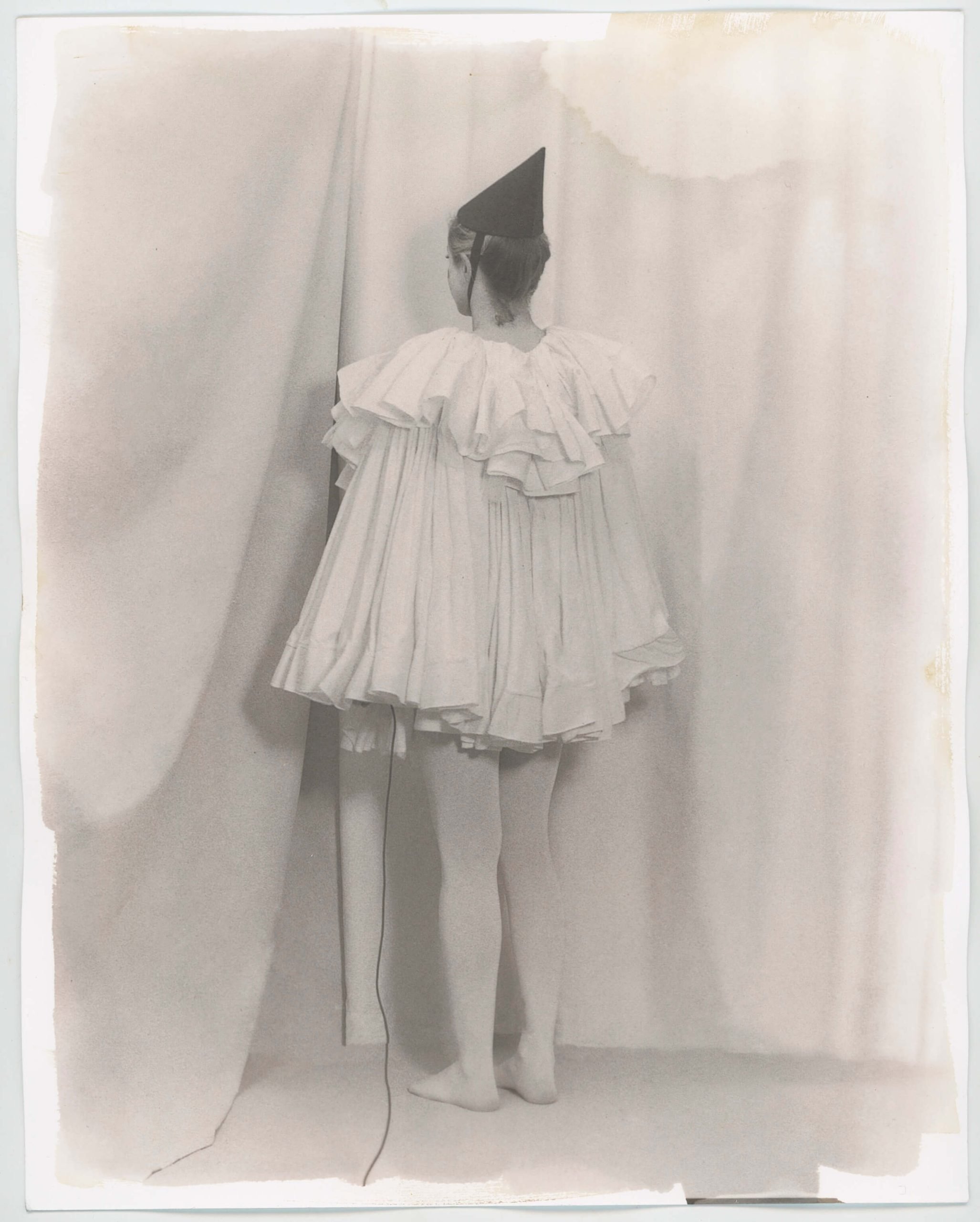
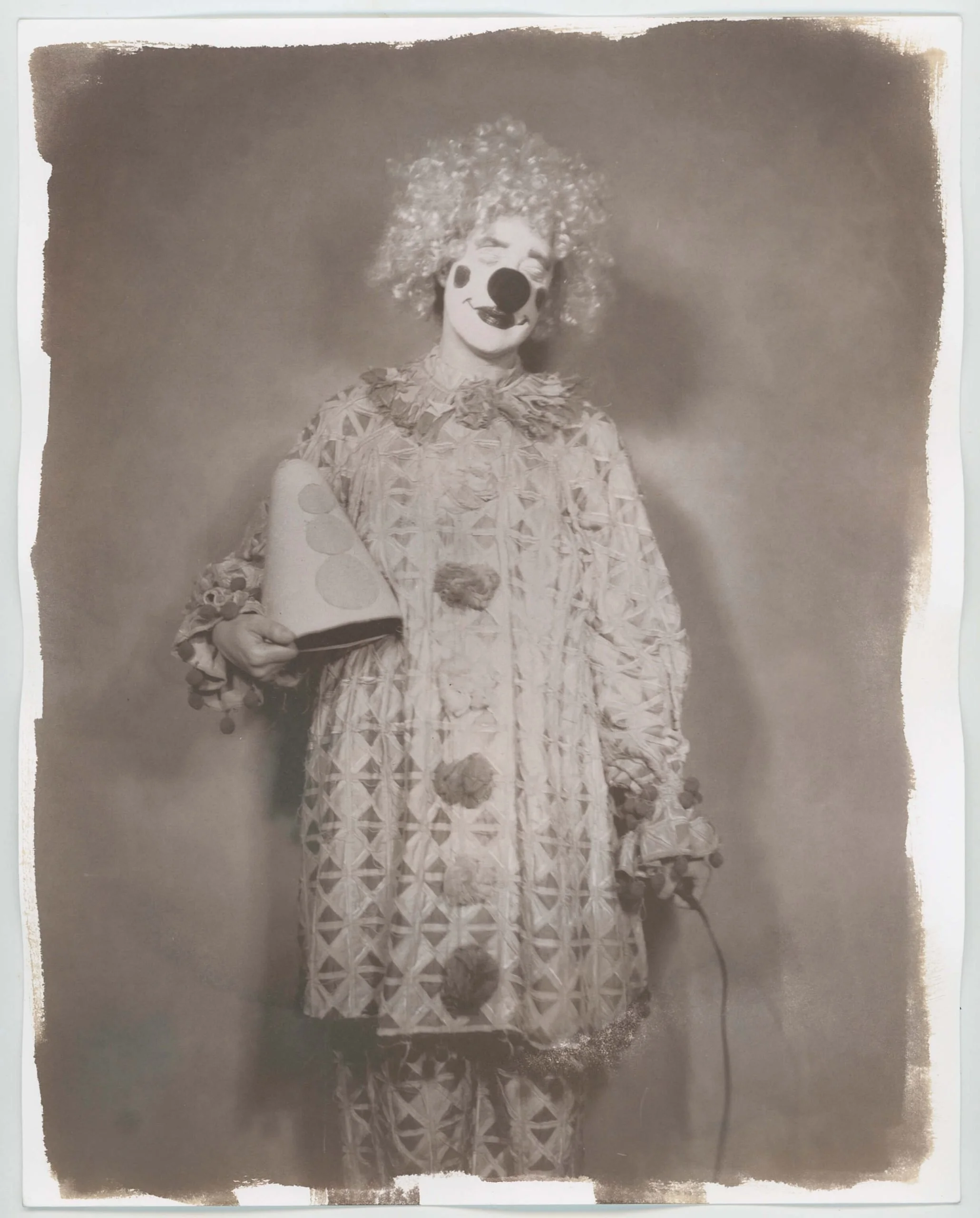
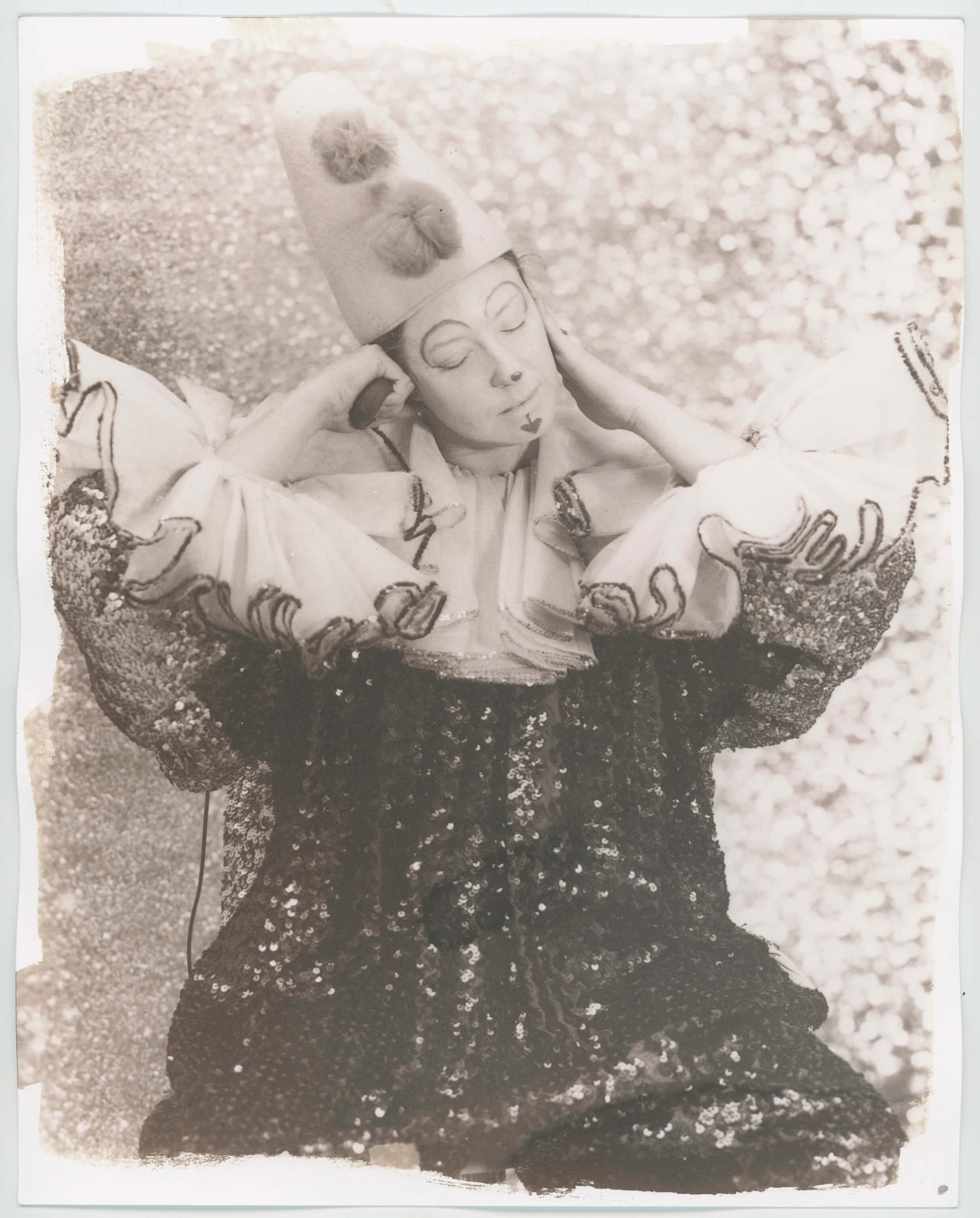
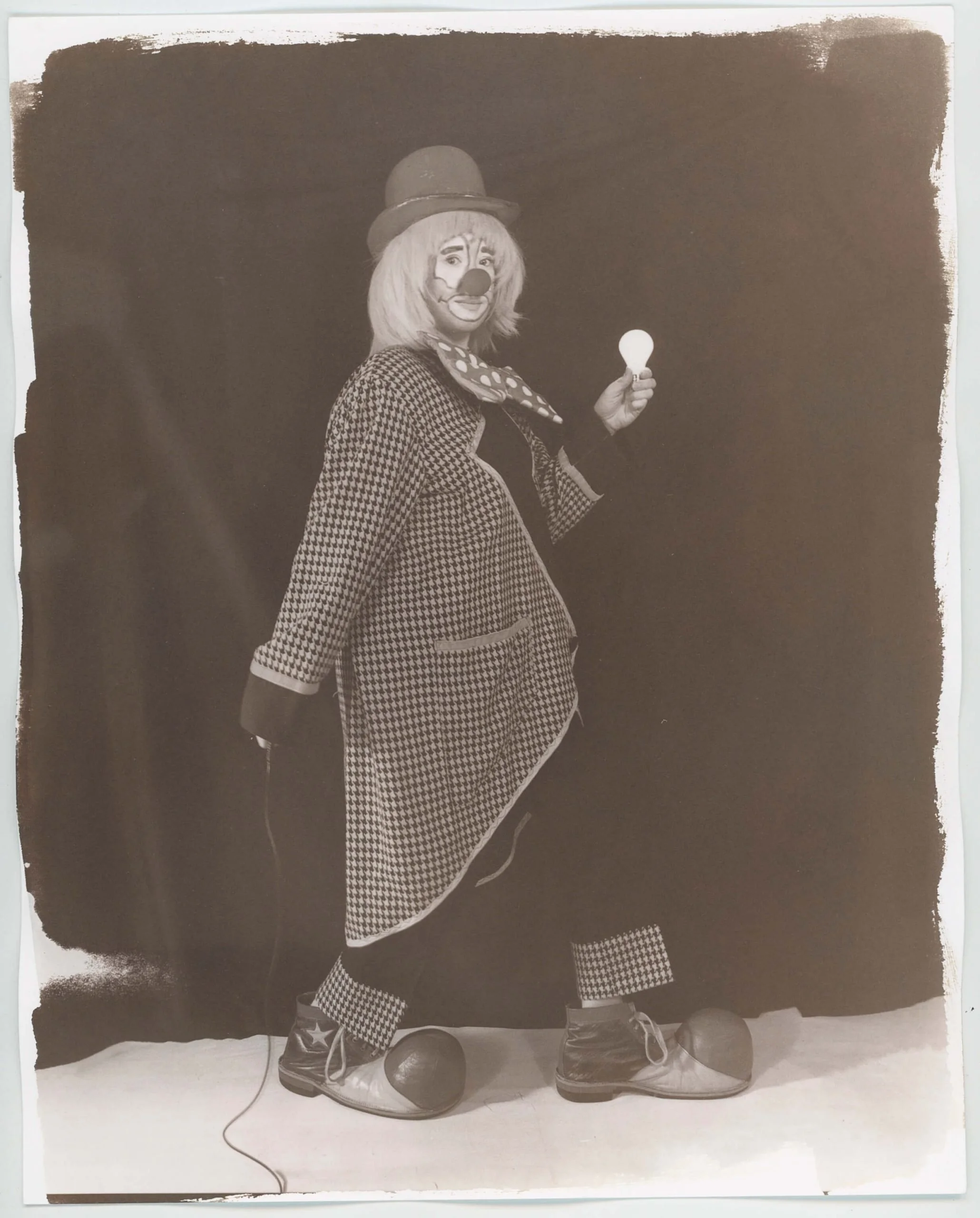
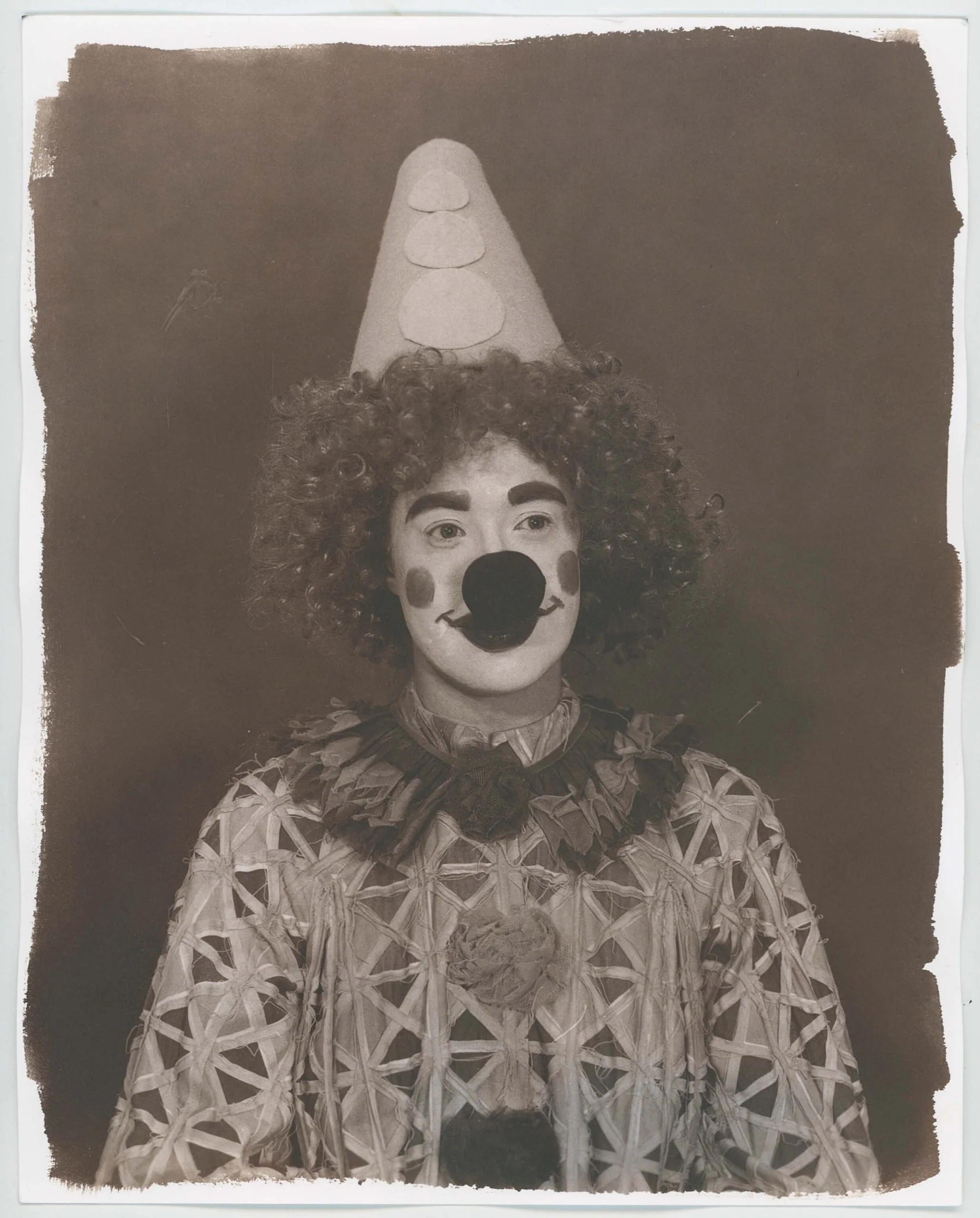
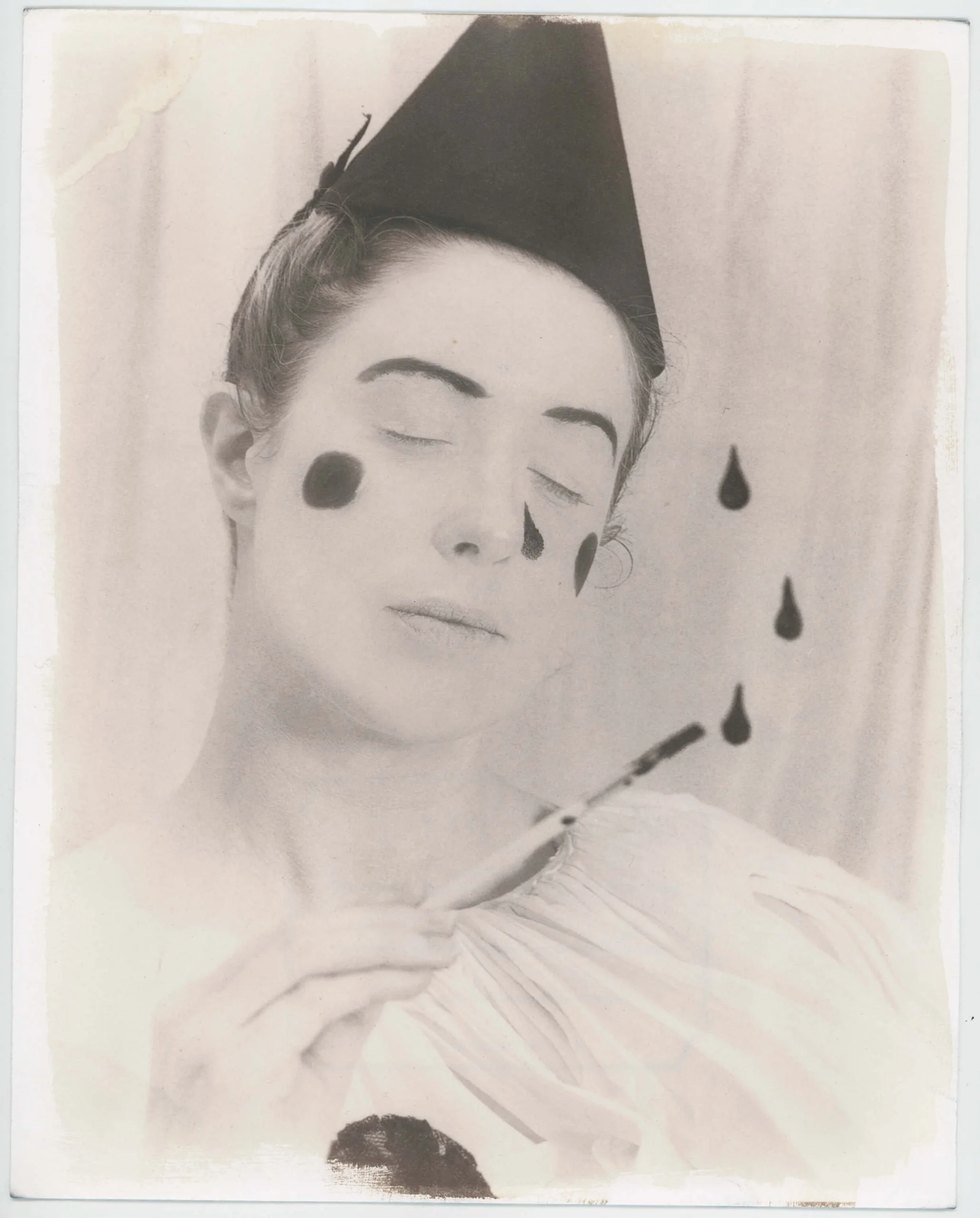
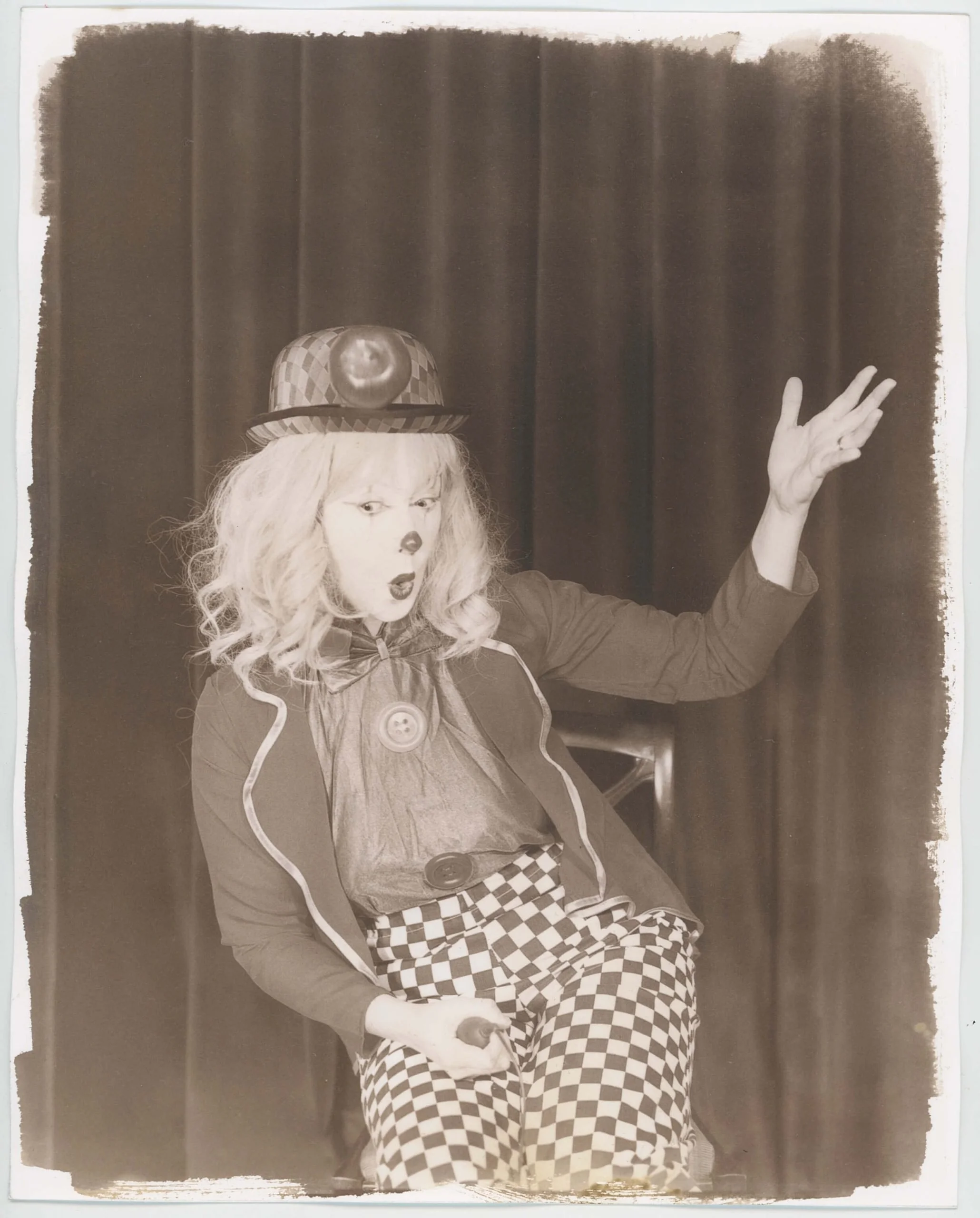
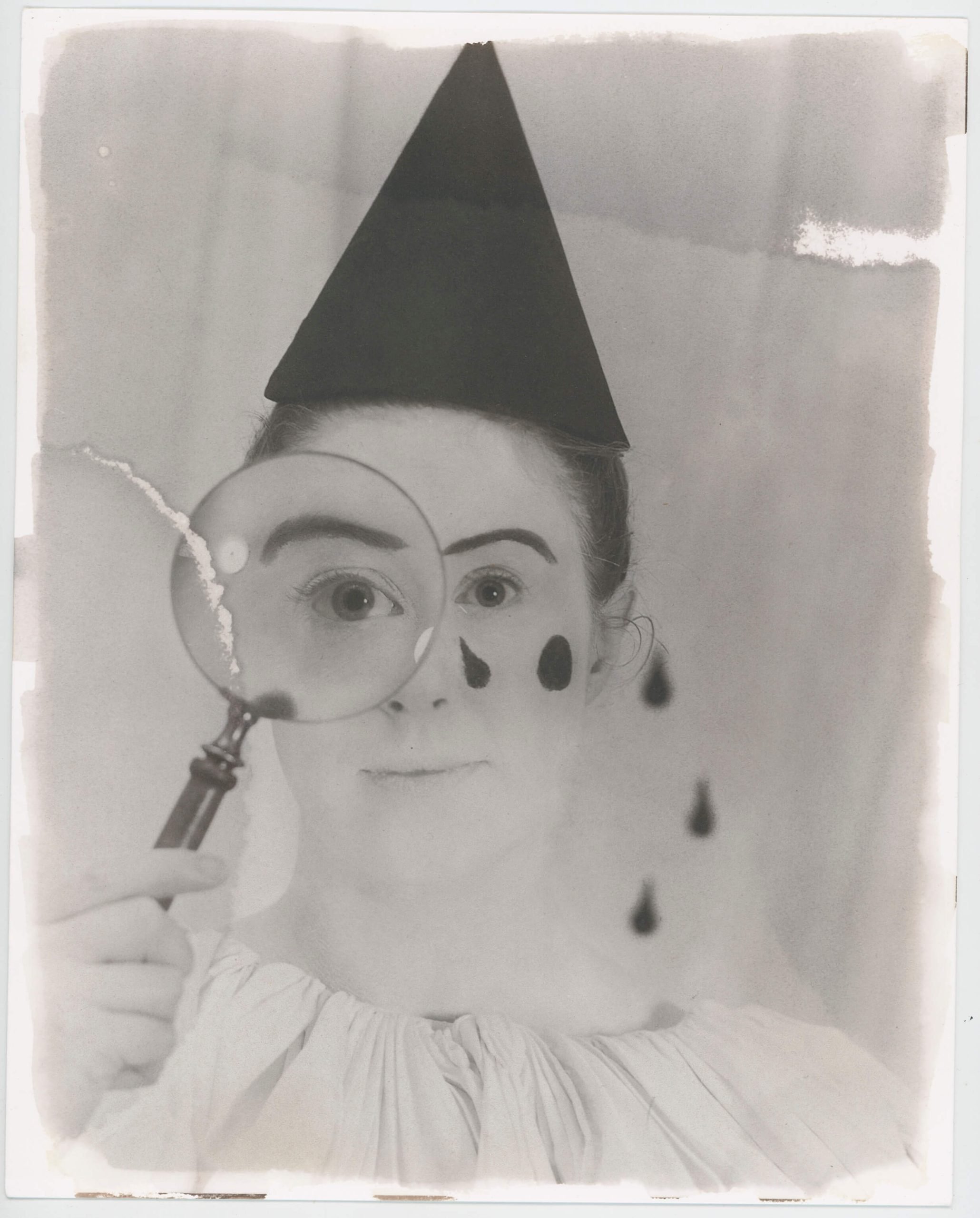
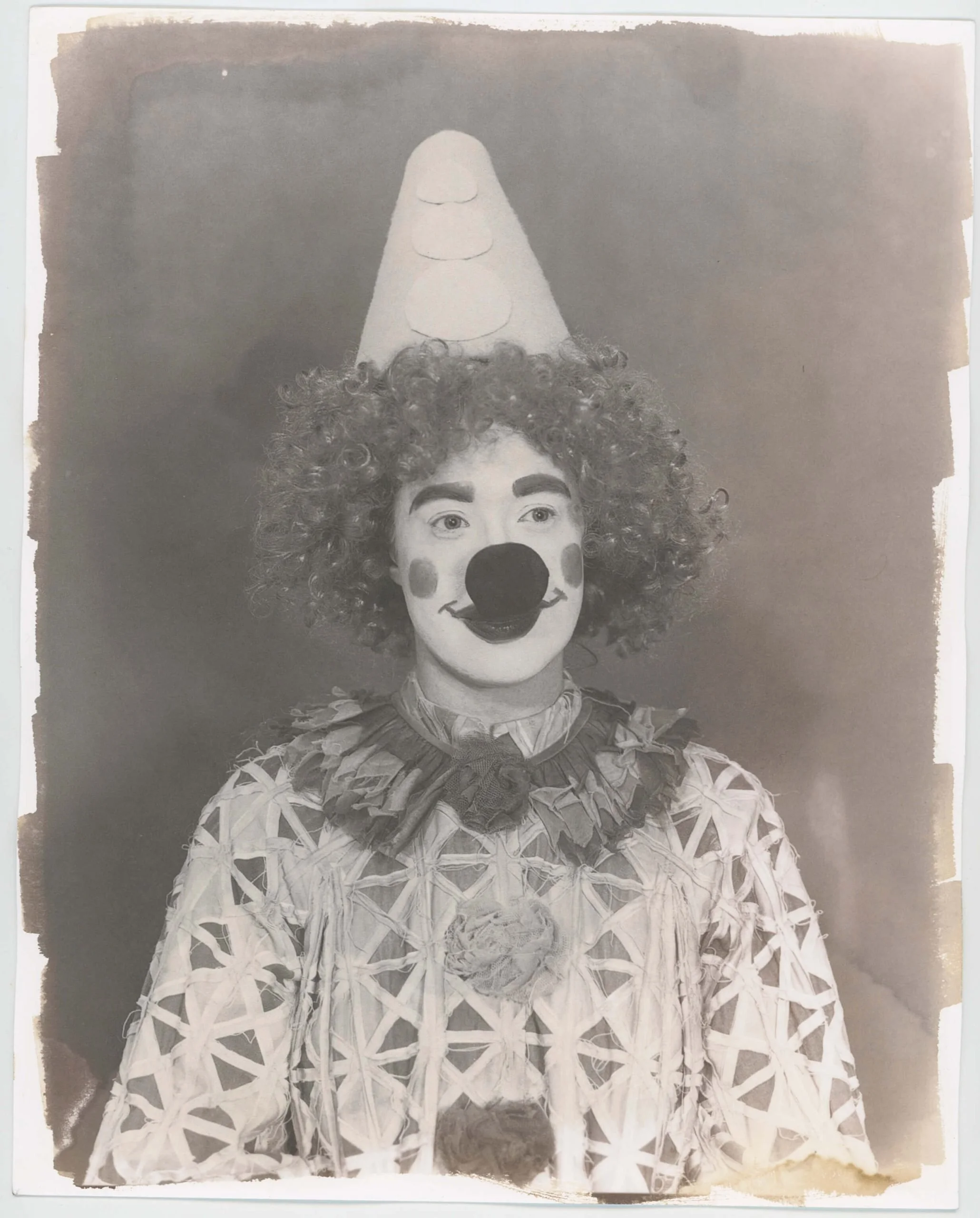
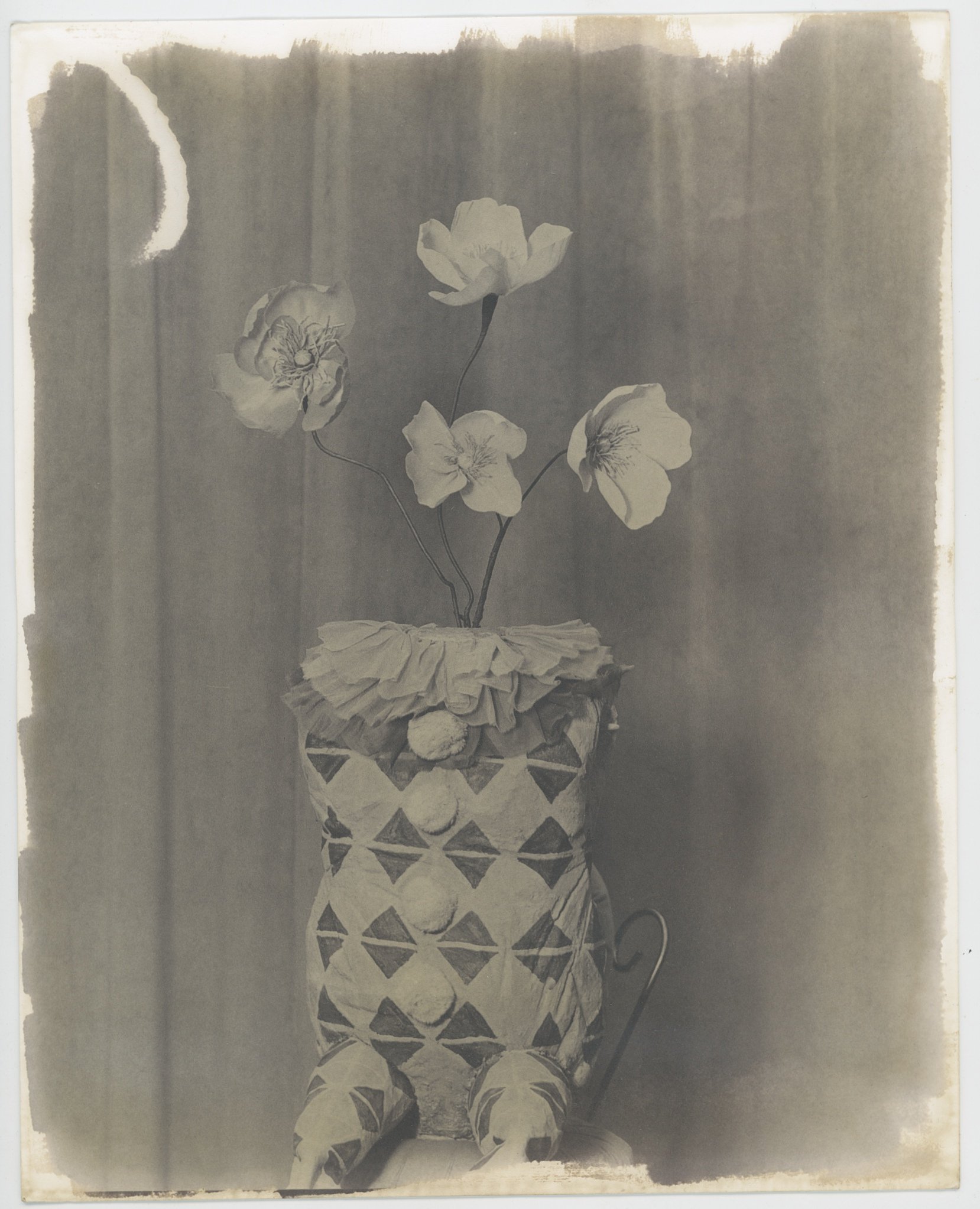
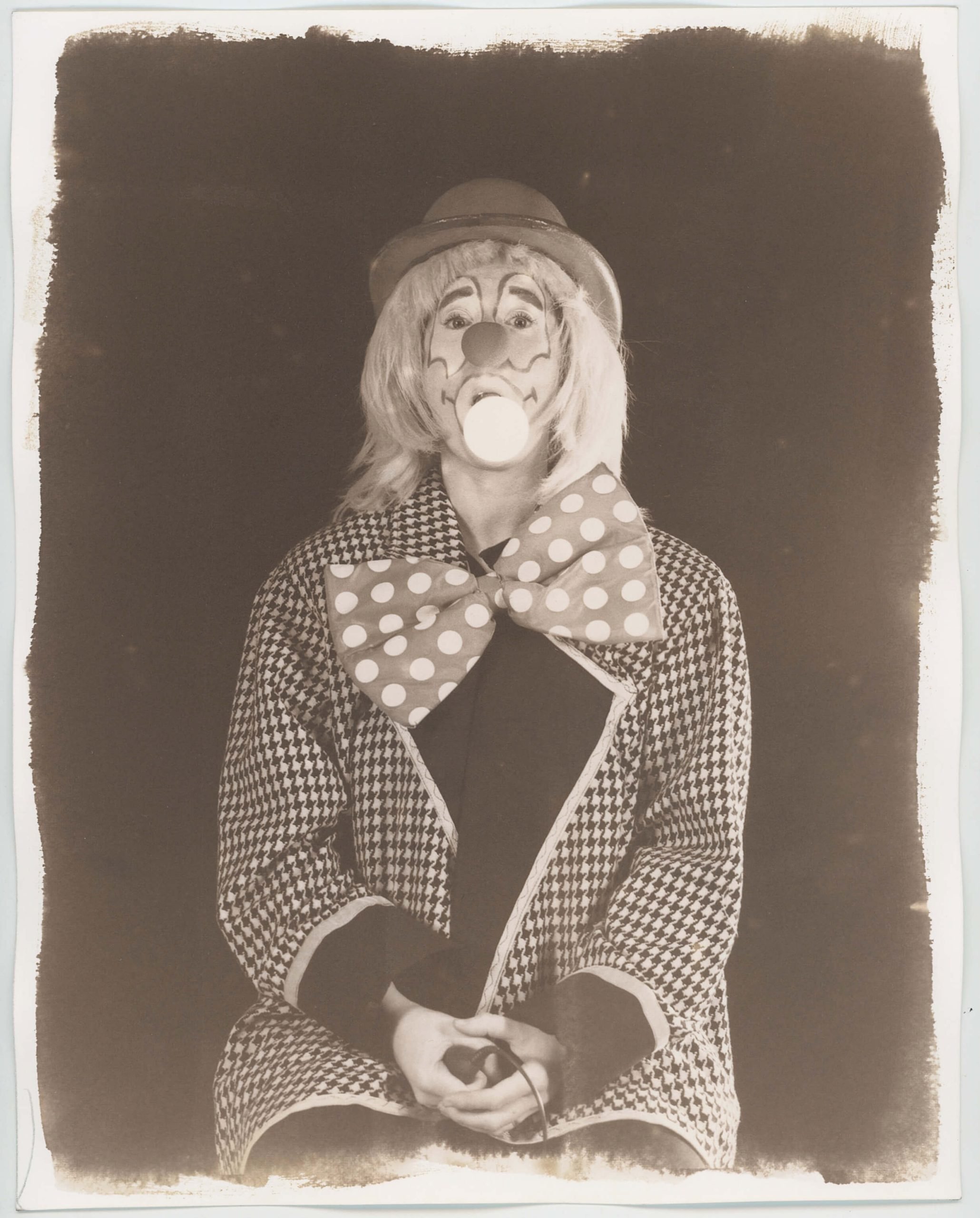
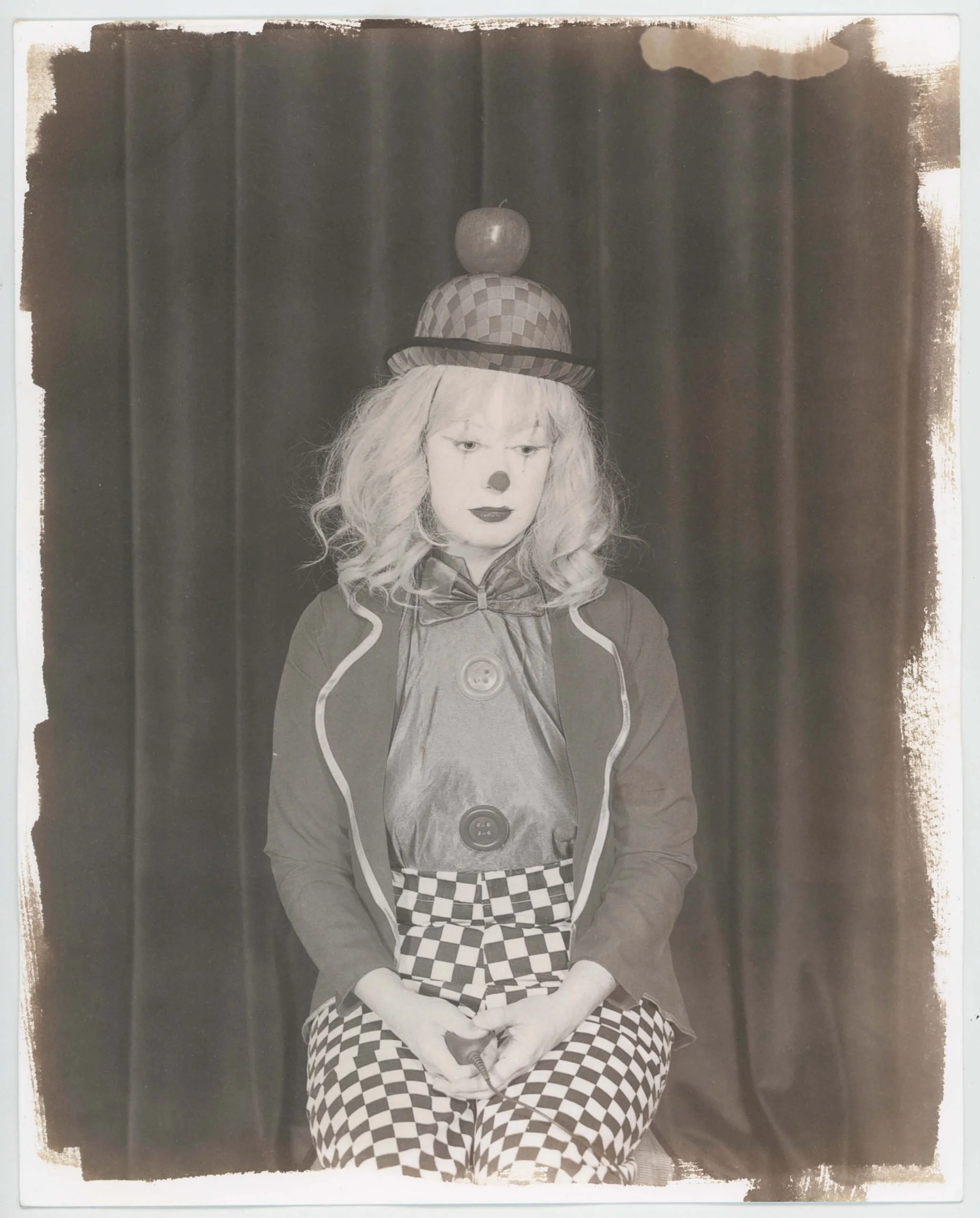
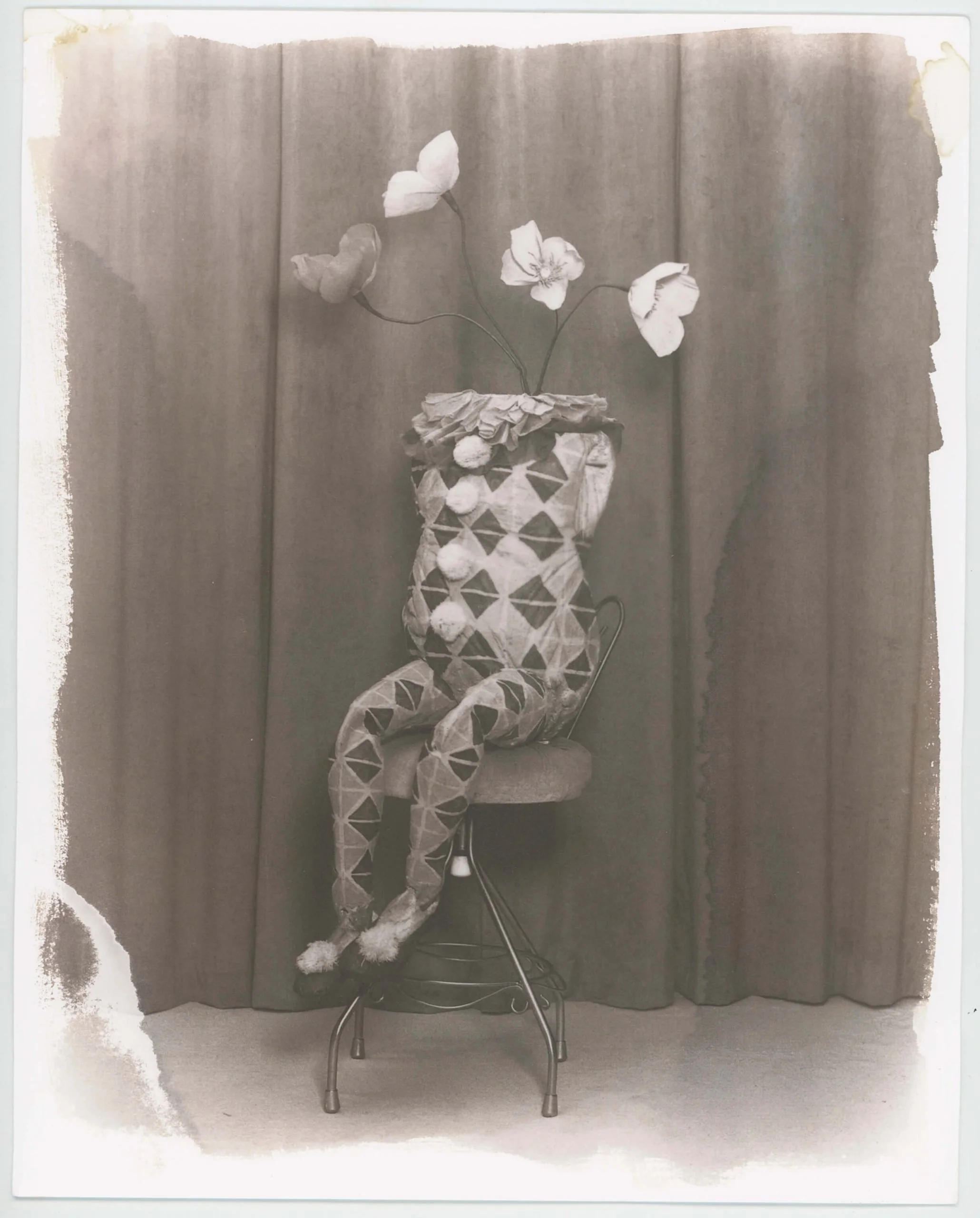
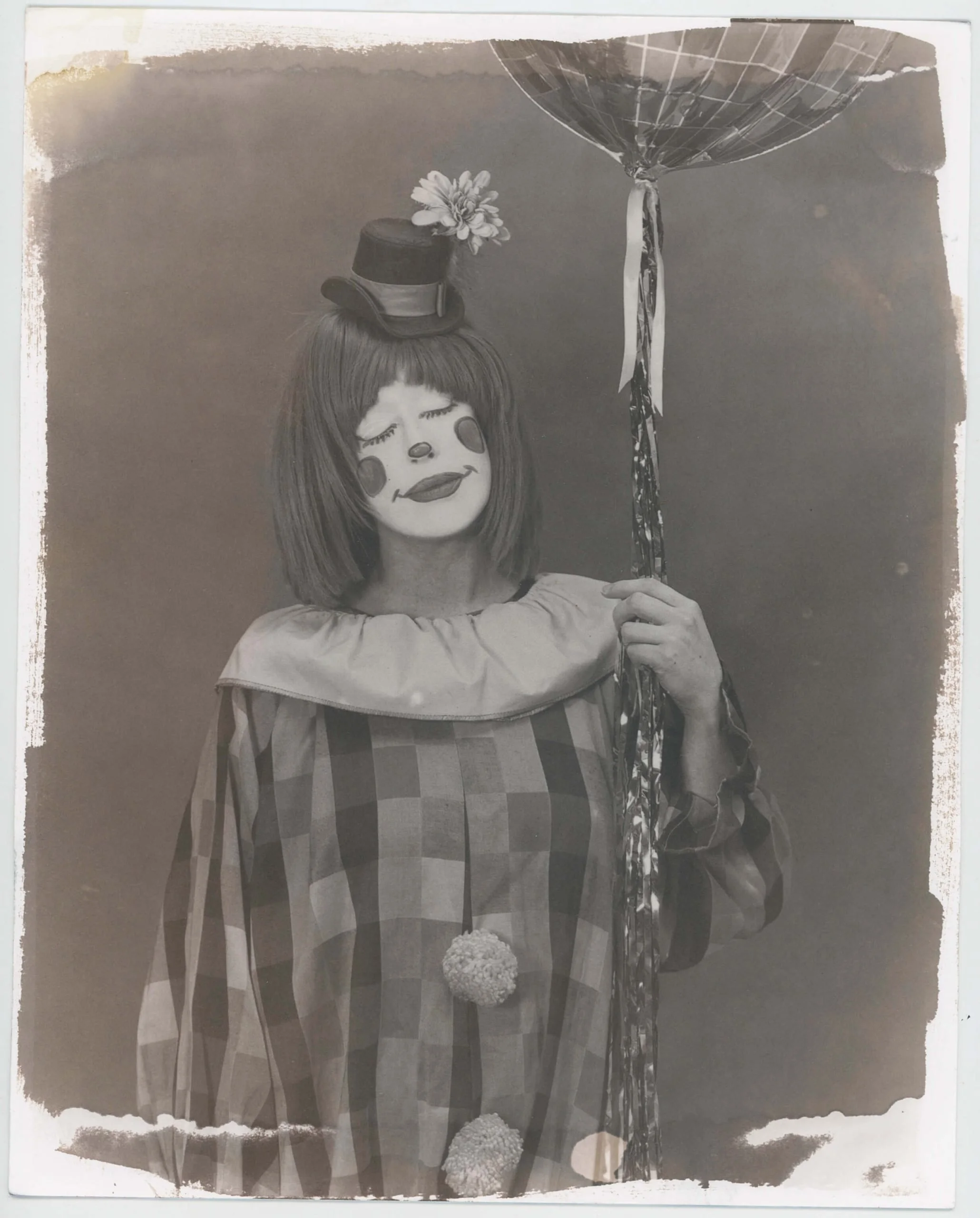
Rachel Louise Brown has long been fascinated by the practice and possibilities of Photo Therapy, so during the isolation of the pandemic lockdowns, she turned inward to explore photography’s power to heal. Central to her practice is an interest in performance as a means of escapism, and in this period of uncertainty she found herself instinctively drawn to the figure of the clown. Transforming her living room into a small studio, she used the performative act of self-portraiture to navigate grief, frustration at being controlled by the state and fear, creating characters that allowed both emotional expression and temporary release.
As these clown characters began to take shape, Brown immersed herself fully in the process. She hired archival and historical costumes from the National Theatre and Clown Museum, experimented with the art of clown makeup, and set herself the challenge of learning analogue techniques - especially some of the earliest photographic processes that laid the foundations for photography as we know it today. Working with an ex-police department Graflex 5×4 camera sourced online and a pneumatic air shutter release cable, she photographed her clowns onto paper negatives, developing them by hand in her bathroom.
When lockdowns lifted, Brown went on to explore the historic alchemy of salt printing. Invented by William Henry Fox Talbot in the mid-1830s, salt printing was the first photographic process capable of producing a fixed positive image on paper from a negative. Using salt water, silver nitrate and UV light, Brown has created unique salt prints of her Salty Clowns. Shaped by the chemical transformations that unfold at every stage of this slow, demanding and deeply meditative process, no two prints are ever the same. Each clown is selenium toned to aid permanence, then sealed with beeswax and lavender for protection.
Salty Clowns debuted at Photo London in 2022. Guests were invited to hold, touch and smell the unique lavender toned salt prints. A tangible, physical experience. The opposite of the time that had just passed.